The Benefits of In-House Bloodwork: Faster Results, Better Care for Your Pet

March 16, 2026

Helping Veterinarians Make Informed Decisions About Your Ppet’s Care

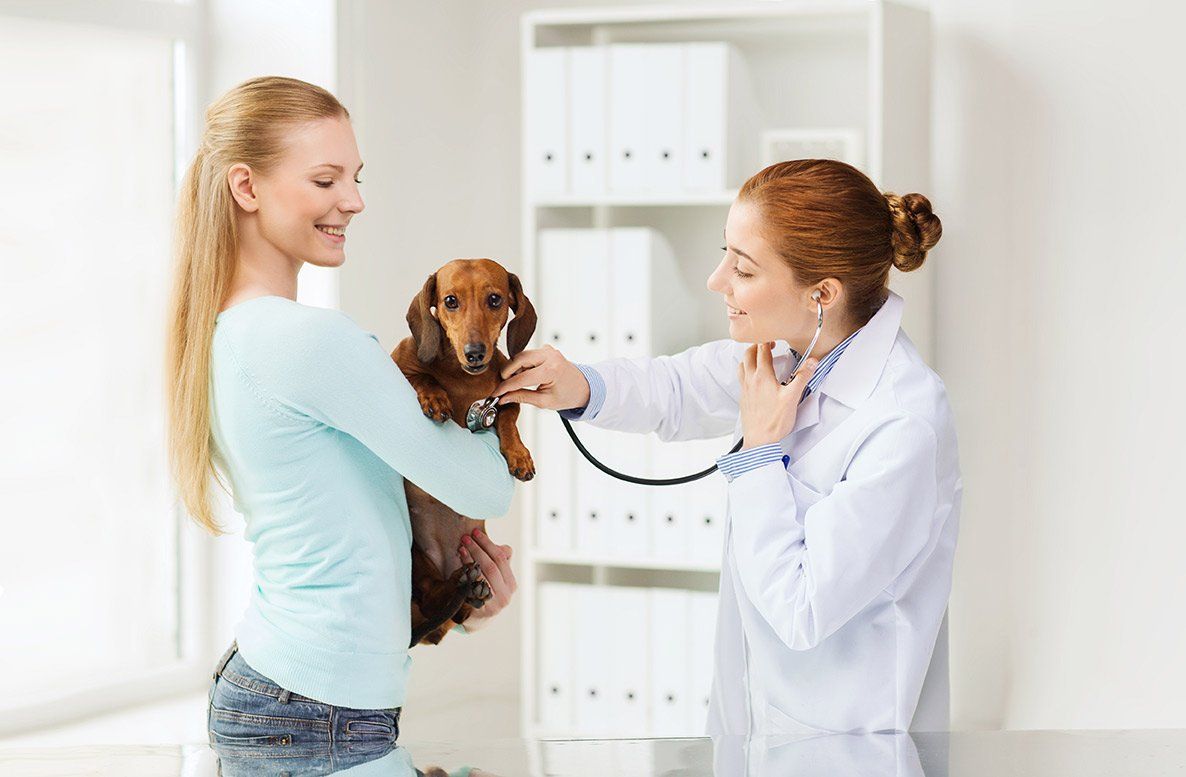
When your pet isn’t feeling well, waiting for answers can be stressful. Diagnostic testing, especially bloodwork, plays a crucial role in helping veterinarians understand what’s happening inside your pet’s body. Today, many veterinary clinics offer in-house bloodwork, which means these important tests can be performed directly at the clinic instead of being sent to an outside laboratory.


This capability allows veterinary teams to receive results quickly and make informed decisions about your pet’s care during the same visit. Faster diagnostics not only provide peace of mind for pet owners but can also lead to quicker treatment and better health outcomes for pets.


What Is In-House Bloodwork?


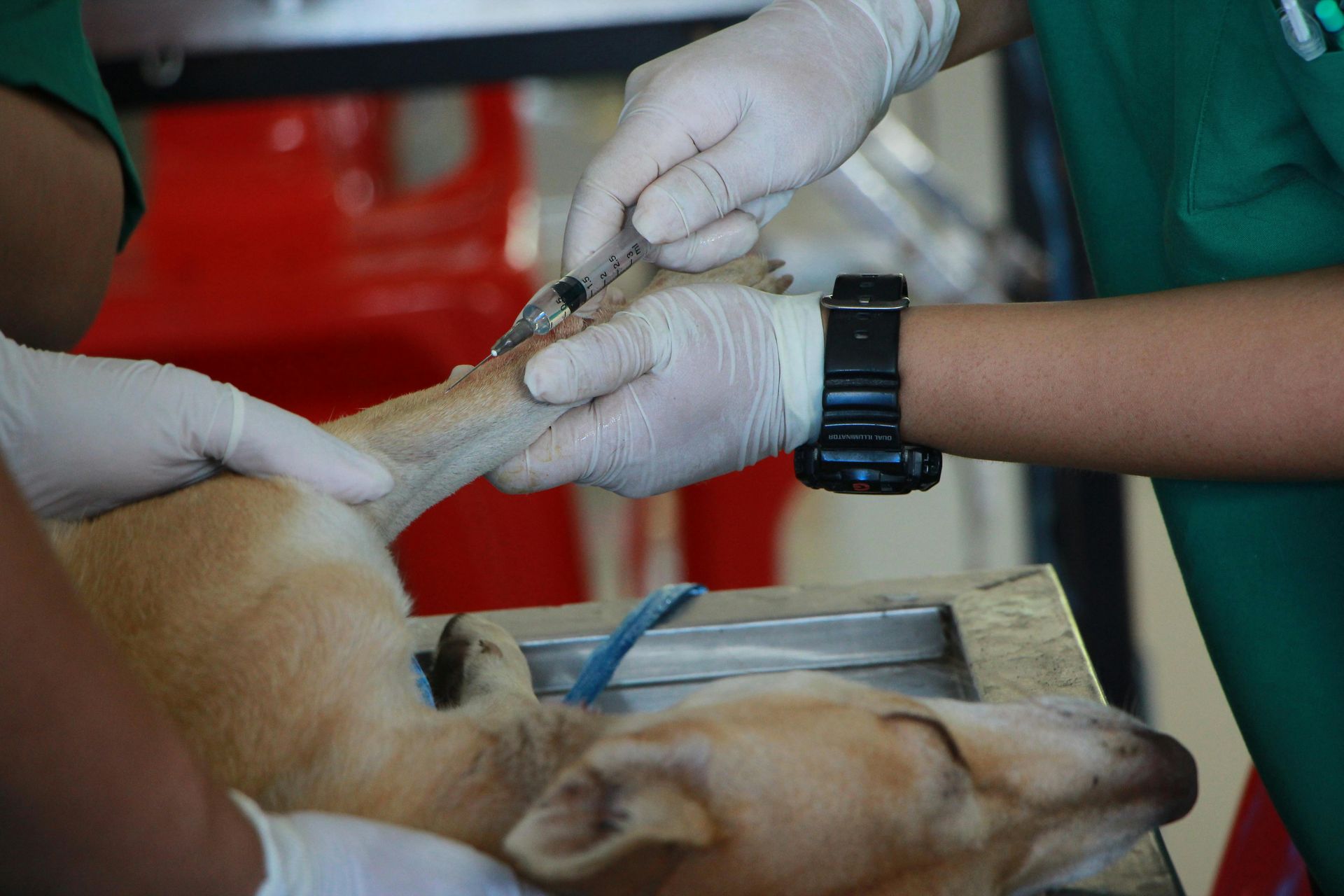
In-house bloodwork refers to blood tests that are performed on-site at your veterinary clinic using specialized diagnostic equipment. Instead of sending samples to an external laboratory and waiting days for results, the veterinary team can analyze the sample immediately and often receive results within minutes or hours.


These tests provide valuable information about your pet’s overall health, including organ function, infections, inflammation, anemia, and other medical conditions. Blood tests are also commonly used for routine wellness exams, pre-surgical screening, and monitoring chronic conditions.


Faster Results When Your Pet Needs Them Most

One of the biggest advantages of in-house bloodwork is speed. When a pet is sick or injured, every moment matters. Running tests directly at the clinic allows veterinarians to receive results quickly and begin treatment right away instead of waiting for external laboratory reports.


For pets experiencing sudden symptoms such as vomiting, lethargy, or difficulty breathing, rapid diagnostic information can make a critical difference. Faster answers allow your veterinarian to identify the cause of the problem and start appropriate treatment as soon as possible.


More Accurate and Timely Treatment Decisions

Physical exams can reveal many signs of illness, but bloodwork provides deeper insights into what’s happening internally. In-house testing allows veterinarians to confirm suspected conditions and determine the most effective treatment plan during the same appointment.


Instead of guessing based on symptoms alone, your veterinarian can use test results to guide decisions about medications, treatments, or additional diagnostics. This helps ensure your pet receives the most accurate care as quickly as possible.


Early Detection of Hidden Health Problems

Many diseases develop slowly and may not show obvious symptoms in the early stages. Routine bloodwork can detect changes in organ function or other health indicators before your pet begins to feel sick.


Early detection is especially important for conditions such as kidney disease, diabetes, infections, and hormonal imbalances. Identifying these issues sooner often leads to more effective treatment and better long-term outcomes for your pet.


Fewer Appointments and Less Stress

When bloodwork is performed in-house, veterinarians can often gather the information they need during a single visit. This reduces the need for additional appointments or follow-up visits simply to review lab results.


For pets, fewer trips to the clinic can mean less stress and anxiety. For pet owners, it means faster answers and a more convenient veterinary care experience.

Contact Our Veterinary Clinic Today to Schedule In-House Bloodwork!

At Briarcrest Veterinary Clinic, our team is dedicated to providing compassionate, high-quality care for every pet that walks through our doors. Our knowledgeable staff and doctors are passionate about animal health and work hard to ensure both pets and their owners receive the care, attention, and respect they deserve during every visit.


If you would like to learn more about in-house bloodwork or to schedule a veterinary appointment, we invite you to contact us today. Our team is proud to serve and support pet owners in Bryan, TX; College Station, TX; and the surrounding communities, offering a wide range of in-house diagnostic services and treatments designed to keep your pets healthy and happy.

February 5, 2026
Supporting your pet’s long-term health involves dental care playing a key role. Continue reading to learn more about the signs your pet may need dental care!
January 5, 2026
Microchipping is quick, safe, and one of the most effective ways to ensure your pet can be reunited with you if they’re ever lost. Continue reading to learn more!
November 12, 2025
Learn to spot the signs of pet allergies, from itching to skin issues. Explore common causes like pollen and food, and discover effective treatments.
October 8, 2025
Get practical tips on preparing your pet for fall and winter. Learn about diet, grooming, exercise, and how to protect them from cold weather hazards.
June 4, 2025
Learn tips to keep your pets calm during fireworks. Call Briarcrest Veterinary Clinic in Bryan, TX, for veterinary care or boarding services. Read more.
May 14, 2025
Learn about the most common toxic flowers and plants that are dangerous for cats and dogs. Protect your pets with guidance from Briarcrest Veterinary Clinic.
April 18, 2023
There are quite a few reasons why veterinary care is so important. Like humans, animals need to have annual visits to see a doctor to keep an eye on their health. Here are a few things that veterinarians will check: Detecting diseases early - Like cancer in humans, dogs can develop cancer or other fatal diseases as well. It’s important to take your pet to a vet to receive proper veterinary care annually to catch any abnormal growths inside or outside of the body. You can also schedule additional visits to the vet if you notice any strange lumps on your pet’s body at any time. Pet vaccinations - Pet vaccinations will help prevent your dog or cat from getting sick. Your pet needs to be updated on all their pet vaccinations before you board them because sicknesses can be transferred from one dog to another. Contact the cat and dog boarding center you plan to use before dropping off your pet to figure out what pet vaccinations are needed to stay at their facility. Check your pet’s skin and paws - Veterinary care also includes checking a dog or cat’s skin and paws to make sure they are healthy and strong. It’s not normal for a cat or dog to have bald patches in their coat, so a vet will check for that and any other abnormal things. Check your pet’s digestive system - Sometimes veterinarians will request you bring in a stool sample from your dog or cat. The stool sample is to check for intestinal parasites like ringworms, which would require anti-fungal treatment in the form of pills or creams.
Barking Dog
By Briarcrest Veterinary Clinic May 17, 2021
Training your dog to control its bark can seem like a daunting task. Continue reading for advanced tips and advice on starting the training process.
By Briarcrest Veterinary April 27, 2021
Every cat person knows it - the deep, blissful rumble of a well-contented kitty. Everyone assumes that a cat’s purr is the same as a smile or laugh on a human. However, that’s only part of the story. Today, scientists and veterinarians believe there are many reasons why cats purr - and it’s not just a way of expressing their love for you. Curious? Keep reading to find out the top reasons that your cat is treating you to purrs. 1. Your cat is happy or content : It deserves to be stated: many times, the reason why your cat is purring is because he or she is pleased and content. Cats are often observed purring in pleasant situations, like mama cats nursing their young, friendly cats grooming each other, or household cats being petted by their favorite humans. 2. Your cat is self-soothing : Have you ever found yourself laughing or crying after a physical or emotional upset? These behaviors can help you calm down and regain emotional equilibrium. Purring may fill the same role for cats. Veterinarians believe that cats sometimes purr in an attempt to feel better if they’re sick, injured, or even hungry. 3. Your cat is trying to soothe someone else : Cats don’t just purr when they’re upset or injured - they may also purr when another creature they care about is upset or in need of medical or veterinary care. Cats have been observed cuddling close to injured or ill cats and purring in an attempt to soothe them, and sometimes they’ll even do this for humans. However, there isn’t much scientific evidence to explain this behavior fully. 4. Your cat is building tissue and bone strength : Most cats purr at a frequency of 26 Hertz, which has been linked to regenerating tissue and bones. Wild cats often spend much of their days laying around waiting for a hunt - purring might help their bones and muscles stay strong even when they’re not active. Your cat might have retained this behavior from his or her wild ancestors. So, why is your cat purring? When it comes to decoding a particular cat’s purr, everything depends on context. A cat kneading your lap, slow-blinking at you, and settling in for lots of love is probably purring at you because she’s happy. A cat purring insistently around dinner time is probably politely asking you to hurry up and fill the dish already. A cat settled in next to his lethargic brother and purring may be trying to help that cat feel better - which you should take as a signal to bring the lethargic cat to the vet. If you ever have a question about your cat’s particular purrs, trust the team at Briarcrest Veterinary Clinic to help you get to the bottom of it. We offer a wide range of pet boarding (including dog boarding ) and veterinary care for your furry friend, including pet dental care and pet vaccinations . If you live in College Station, TX; Bryan, TX; or the surrounding area, we’d love to welcome you and your feline companion to our practice. Call us today to make an appointment!
Dog Sleeping in Sun Ray
February 18, 2021
Have you every wondered if your furry friend dreams? Curious what they might dream about? Check out Briarcrest Veterinary Clinic's blog to find your answers!