Seasonal Pet Care Tips: Preparing Your Pet for Fall and Winter

October 8, 2025

Keep Your Pet Happy and Healthy No Matter What Mother Nature Throws Our Way

As the leaves change and a chill enters the air, we pull out our cozy sweaters and start thinking about pumpkin spice. But as we prepare for the colder months, it's crucial to remember our furry family members. Fall and winter bring unique challenges for our pets. This guide will walk you through essential seasonal pet care tips to ensure your companion stays safe, healthy, and happy through autumn and winter.


Being proactive about your pet's care in the fall and winter months does more than protect their health—it helps prevent problems before they start. From adjusting diets and exercise routines to ensuring they have warm places to rest, small changes can make a big difference in your pet's well-being. Preparing ahead allows you to enjoy the cozy moments with your companion worry-free, knowing you’ve taken steps to keep them safe and happy.

Tips to Plan Accordingly

Caloric Intake and Weight Management

For pets that spend most of their time indoors and are less active in the winter, you might need to reduce their food portions slightly. This prevents them from gaining unhealthy weight. A small adjustment can make a big difference. If you're unsure how much to feed them, look at the feeding guide on their food packaging or consult your vet.


Hydration is Still Key

Don't forget about water! Pets can become dehydrated in winter just as they can in summer. Indoor heating can be very drying. Ensure your pet always has access to a clean, fresh bowl of water.


To Shave or Not to Shave?

It may be tempting to let your pet’s coat grow long for extra warmth, and for most breeds, that's the right approach. Never shave a double-coated dog, like a Husky, German Shepherd, or Golden Retriever, in the winter. Their undercoat acts as insulation, and removing it makes them vulnerable to the cold. Keep their fur well-brushed and free of mats. Matted fur loses its insulating properties and can cause painful skin irritation. Regular brushing distributes natural oils, keeping their skin and coat healthy.


Safe Outdoor Exercise

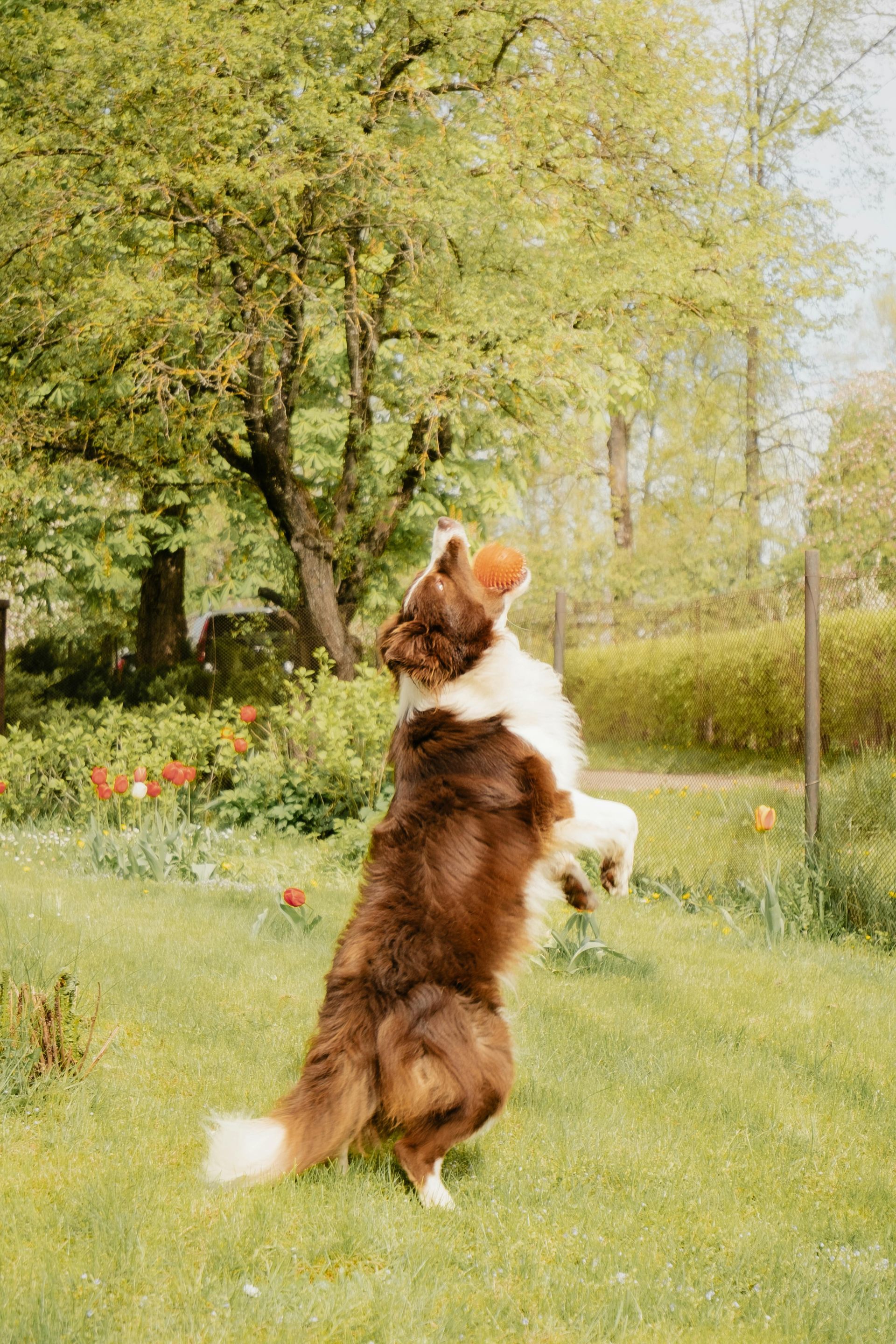
Shorter, more frequent walks may be better than one long one on very cold days. If you have a small, short-haired, or senior dog, a well-fitting coat or sweater is a must. Pay attention to your pet's signals; if they are shivering, lifting their paws, or whining, it's time to go inside. Be mindful of the time of day. Try to walk during the warmest parts of the day when the sun is out. Avoid walking in the dark when it's harder to spot hazards like ice patches.

Contact Our Veterinary Clinic to Schedule Your Visit!

Preparing your pet for fall and winter is about being proactive and observant. Small adjustments to their routine can ensure they navigate the colder months safely and comfortably. By managing their diet, grooming, and exercise, and by proofing your home against seasonal hazards, you can enjoy all the cozy moments the season has to offer with your best friend.


Every pet is unique. For personalized advice tailored to your pet's specific breed, age, and health needs, it's always best to consult with your veterinarian. For more than two decades, Briarcrest Veterinary Clinic has been a trusted partner for pet owners in Waller, Hempstead, Bryan, College Station, Brenham, Caldwell, Chappell Hill, Hearne, Madisonville, Navasota, TX, and the surrounding communities. Our knowledgeable and compassionate team is dedicated to providing the highest standard of veterinary care to ensure your pet lives a long, healthy, and happy life.

July 8, 2026
Texas' warm climate allows flea and tick populations to remain active for much longer than in many other parts of the country. Continue reading for tips on prevention!
June 15, 2026
Bringing a new puppy or kitten home is the beginning of a rewarding journey. Continue reading to learn more about how to settle them into their new family!
May 12, 2026
Continue reading to learn about some of the most common causes of itching in dogs, warning signs to watch for, and the treatment options available to help your pet stay healthy and itch-free.
March 16, 2026
Helping Veterinarians Make Informed Decisions About Your Pet’s Care
February 5, 2026
Supporting your pet’s long-term health involves dental care playing a key role. Continue reading to learn more about the signs your pet may need dental care!
January 5, 2026
Microchipping is quick, safe, and one of the most effective ways to ensure your pet can be reunited with you if they’re ever lost. Continue reading to learn more!
November 12, 2025
Learn to spot the signs of pet allergies, from itching to skin issues. Explore common causes like pollen and food, and discover effective treatments.
June 4, 2025
Learn tips to keep your pets calm during fireworks. Call Briarcrest Veterinary Clinic in Bryan, TX, for veterinary care or boarding services. Read more.
May 14, 2025
Learn about the most common toxic flowers and plants that are dangerous for cats and dogs. Protect your pets with guidance from Briarcrest Veterinary Clinic.
April 18, 2023
There are quite a few reasons why veterinary care is so important. Like humans, animals need to have annual visits to see a doctor to keep an eye on their health. Here are a few things that veterinarians will check: Detecting diseases early - Like cancer in humans, dogs can develop cancer or other fatal diseases as well. It’s important to take your pet to a vet to receive proper veterinary care annually to catch any abnormal growths inside or outside of the body. You can also schedule additional visits to the vet if you notice any strange lumps on your pet’s body at any time. Pet vaccinations - Pet vaccinations will help prevent your dog or cat from getting sick. Your pet needs to be updated on all their pet vaccinations before you board them because sicknesses can be transferred from one dog to another. Contact the cat and dog boarding center you plan to use before dropping off your pet to figure out what pet vaccinations are needed to stay at their facility. Check your pet’s skin and paws - Veterinary care also includes checking a dog or cat’s skin and paws to make sure they are healthy and strong. It’s not normal for a cat or dog to have bald patches in their coat, so a vet will check for that and any other abnormal things. Check your pet’s digestive system - Sometimes veterinarians will request you bring in a stool sample from your dog or cat. The stool sample is to check for intestinal parasites like ringworms, which would require anti-fungal treatment in the form of pills or creams.