Puppies 101: Everything You Need to Know For Your New Puppy

The addition of a new puppy to your household is incredibly exciting. Who doesn't love an adorable little furry friend wandering around the house? However, a puppy is a lot more than a precious new housemate - it's a lot of work. Depending on how old your puppy is, you'll need to consider potty training, basic obedience, enriching play, proper socialization, and much more. That puppy will be a fully-grown dog someday, and it's important to start early to give it the building blocks to be a well-behaved and reliable companion.
What should you be thinking about when you bring your new friend home?
Training
One of the most time-consuming things about a puppy is the need for training. It's best to start early in teaching your new friend what to expect. You will need to train your dog how to signal you when it's time to go outside, how to respond to commands, and how it will be expected to behave in the house. You'll also need to train it to walk nicely on a leash (this is much easier to accomplish before a puppy gets bigger and stronger), how to enjoy crate time, and how to behave around people and other dogs.
Expect to be training all the time at the beginning; your puppy will try to jump on counters, go wherever it wants, and chew anything it can. Be calm and capable; if your puppy misbehaves, redirect it into the proper behavior. A helpful tactic is to get a waist pouch, fill it with small low-calorie training treats, and reward your pup every time it exhibits a behavior you want to encourage. Keep your puppy on a schedule when it comes to potty breaks, bedtimes, and meal times; dogs like knowing what to expect and having a routine will help your puppy learn faster. You should also take your puppy on many outings to get it used to car rides, different settings, and a variety of sights and smells. Dog parks or doggie day care centers are great opportunities for your puppy to socialize, learn how to interact with other dogs, and release excess energy; be sure to check with the facility to make sure your puppy is current on any necessary shots.
As soon as your puppy is old enough, we recommend enrolling it in an age-appropriate dog or puppy training class. This will help your pup socialize and practice appropriate behaviors; it will also help to work with a professional in any areas of difficulty.
Toys
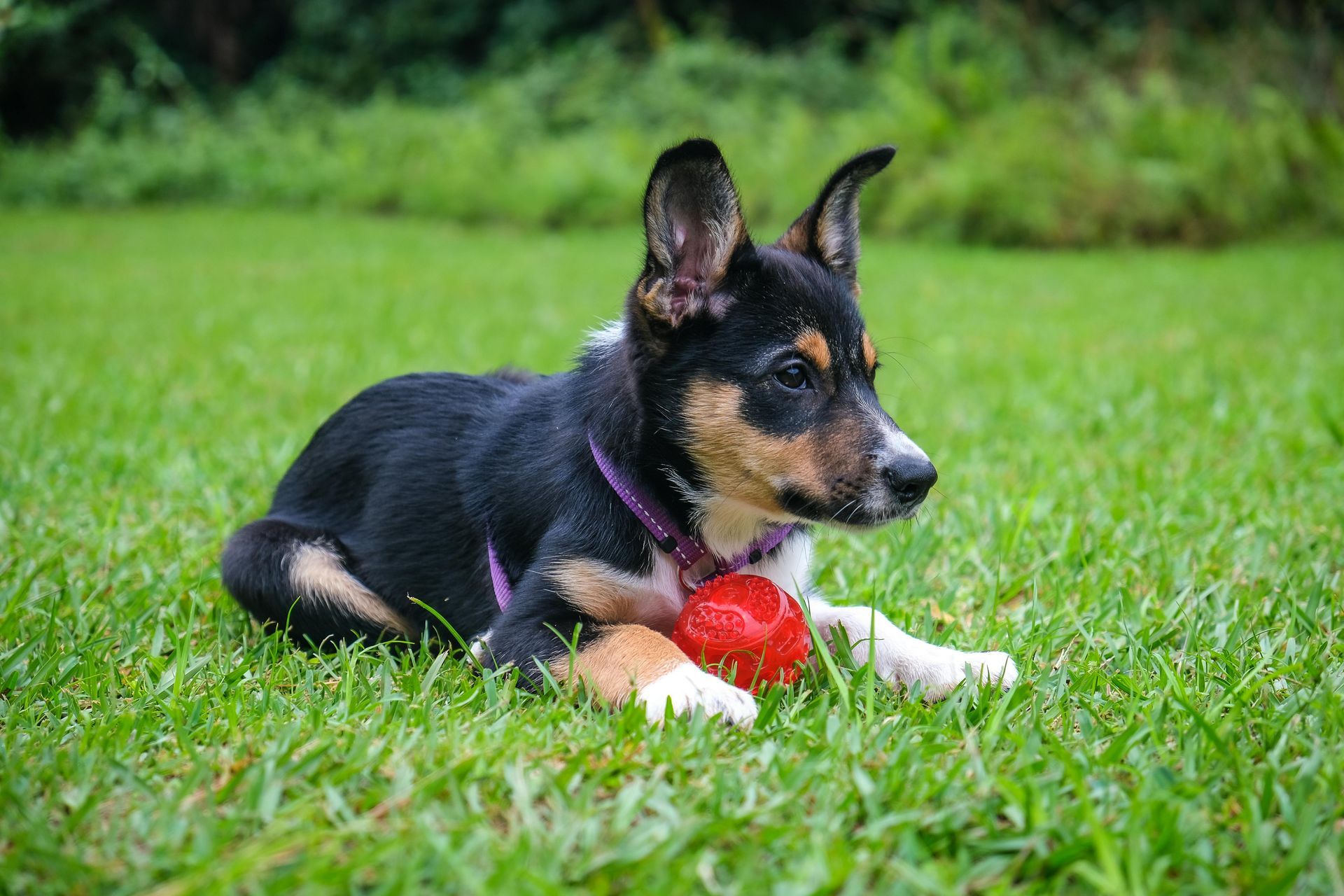
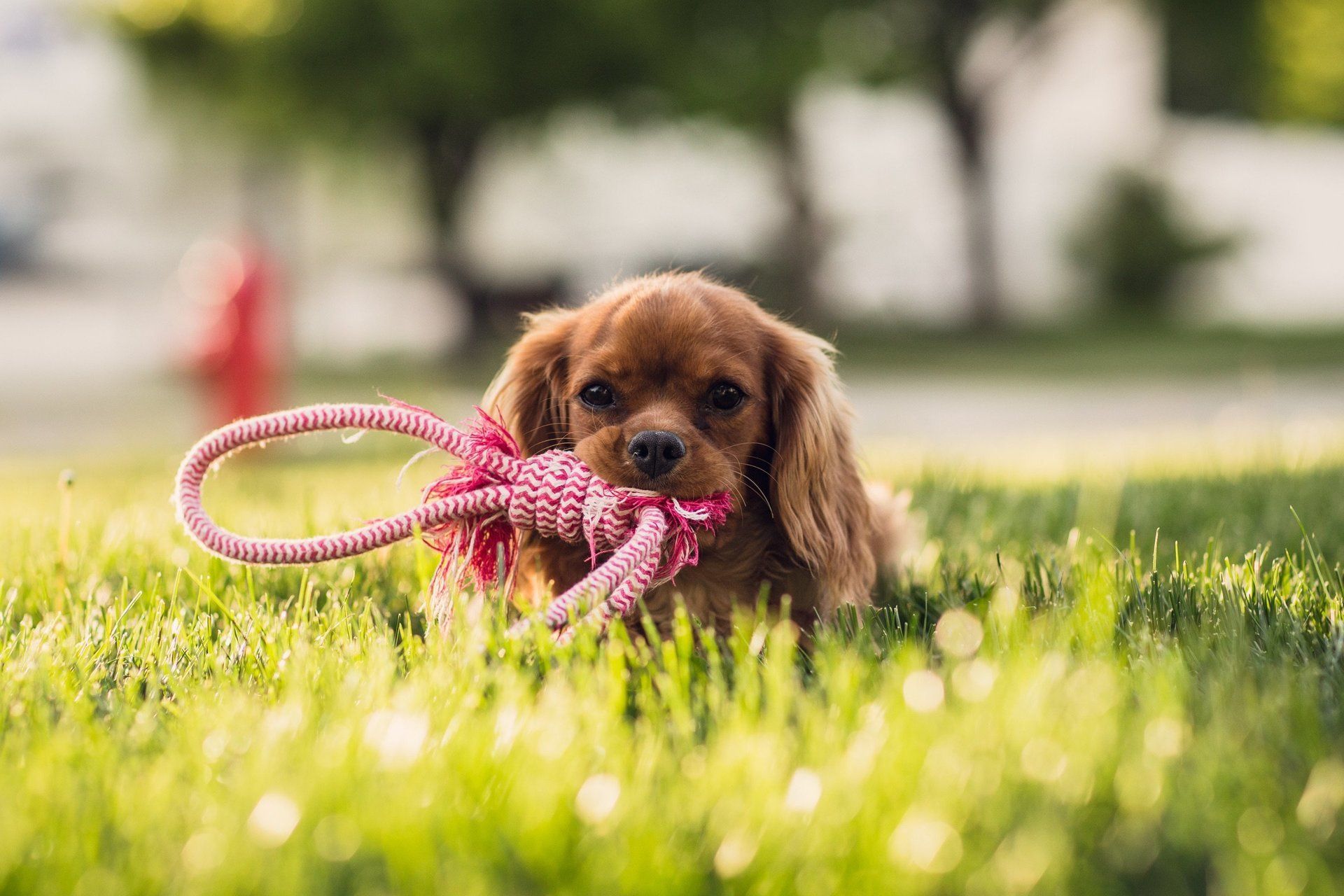
Puppies, much like human children, tend to explore the world with their mouths. You'll need to be careful around the house; young puppies are likely to chew on whatever they can, especially when they begin teething! Some baby proofing products are suitable for puppy proofing your home; you can also redirect your puppy's chewing impulses into appropriate outlets. Get your puppy age-appropriate toys and chews to keep it occupied and interested. Any pet store carries products specifically designed for puppy teeth. Be sure to keep an eye on your puppy at all times to make sure they're playing safely.
Grooming
Just like adult dogs, puppies need regular grooming
to keep them healthy. Your puppy's nails will need to be trimmed; you'll also need to clean its ears regularly, brush its teeth as needed, and keep its fur well-trimmed. Your puppy's exact grooming needs will depend on its breed. It's best to start this process early so your puppy gets used to it. Even when you're not grooming, get into the habit of touching your puppy's ears, mouth, teeth, tail, and paws often; this helps your puppy become accustomed to being handled in these places and will make grooming your adult dog a lot easier.
Veterinary Needs
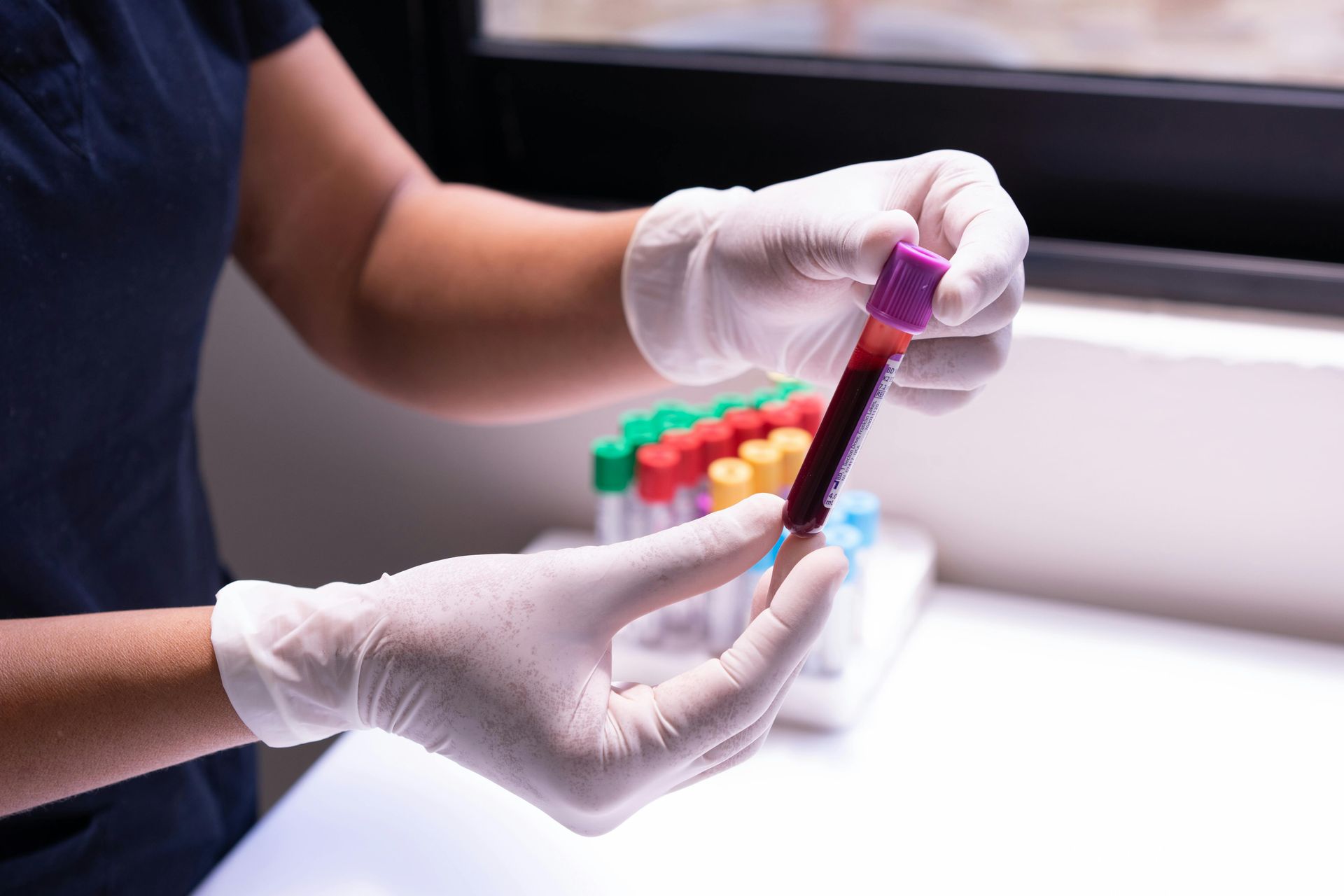
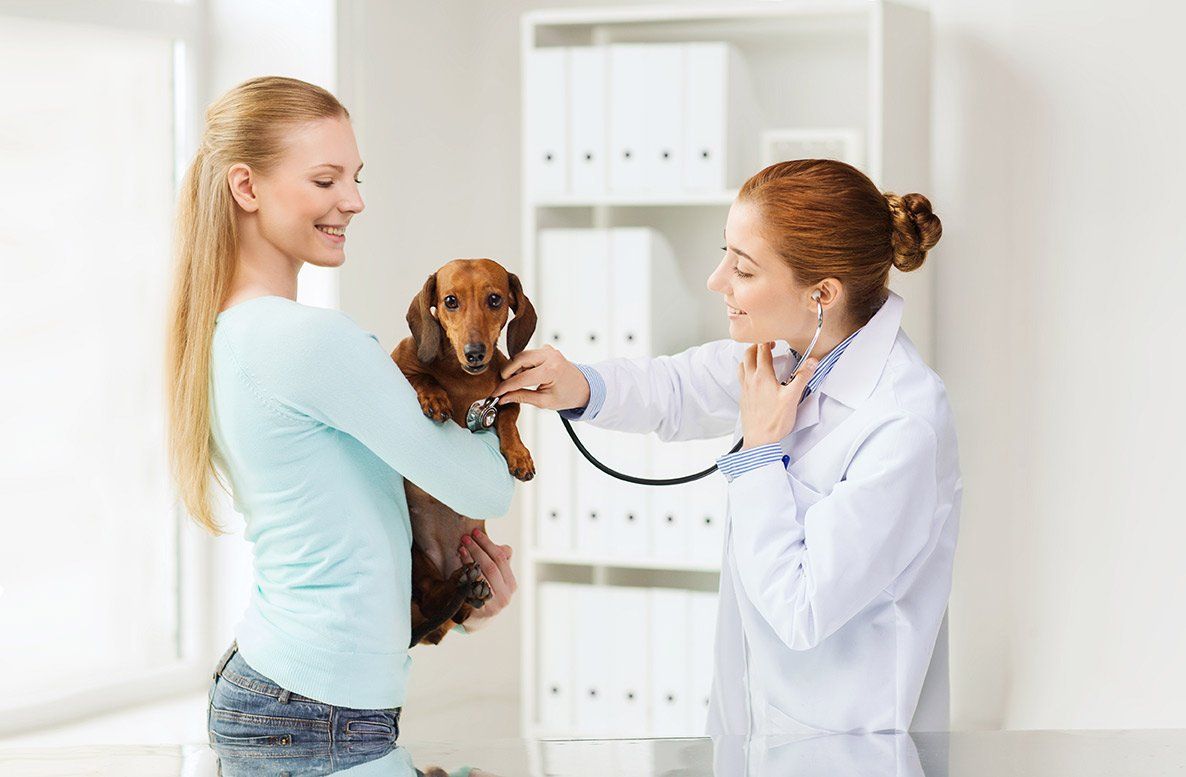
As with any other training, getting your puppy accustomed to the vet at an early age will help prevent problems in the future. Fortunately, your puppy will need a lot of appointments in the early days to track your puppy's growth and behavior, administer necessary vaccinations
, and deal with any development issues that might arise. Choose a reliable veterinary clinic that will answer your questions and make your puppy feel at ease. Briarcrest Veterinary Clinic is a full-service veterinary office serving the greater Bryan and College Station, TX area. Contact us
today for vaccinations, wellness visits, grooming, spay/neuter
appointments, and even pet boarding
services!