
Flea & Tick Season in Texas: What Pet Owners Need to Know

July 8, 2026

Safeguard Your Furry Family Members During the Warmer Months

Texas is known for its warm weather, but those mild temperatures also create the perfect environment for fleas and ticks to thrive. While these pests are most active during the spring and summer, they can remain a problem throughout much of the year in Texas. Without proper prevention, fleas and ticks can cause everything from skin irritation and allergic reactions to the transmission of serious diseases.


Why Are Fleas & Ticks Such a Problem in Texas?


Texas' warm climate allows flea and tick populations to remain active for much longer than in many other parts of the country. Pets that spend time outdoors—or even indoors—can be exposed to these parasites through grass, wooded areas, dog parks, or contact with other animals.


In addition to causing itching and discomfort, fleas and ticks can carry bacteria and parasites that may lead to serious illnesses in both pets and people. That's why veterinarians recommend year-round prevention instead of only treating during the warmer months.


Common Signs of Fleas & Ticks

Even if you don't immediately see fleas or ticks, your pet may begin showing signs that something is wrong.


Some of the most common symptoms include:

  • Excessive scratching, biting, or licking
  • Red, irritated, or inflamed skin
  • Hair loss or bald patches
  • Flea dirt (small black specks) in the coat
  • Visible fleas or attached ticks
  • Scabs or hot spots
  • Restlessness or increased grooming


Some pets develop flea allergy dermatitis, meaning even a single flea bite can trigger intense itching and skin irritation.


Tips for Reducing Fleas & Ticks Around Your Home


In addition to using veterinarian-recommended preventatives, there are several steps you can take to minimize exposure:

  • Keep your lawn mowed and well maintained.
  • Remove leaf litter and yard debris.
  • Wash pet bedding regularly.
  • Vacuum carpets and furniture frequently.
  • Check your pet for ticks after spending time outdoors.
  • Keep your pet on year-round flea and tick prevention.


Combining preventative medication with good environmental management provides the best defense against fleas and ticks.


When Should You See Your Veterinarian?


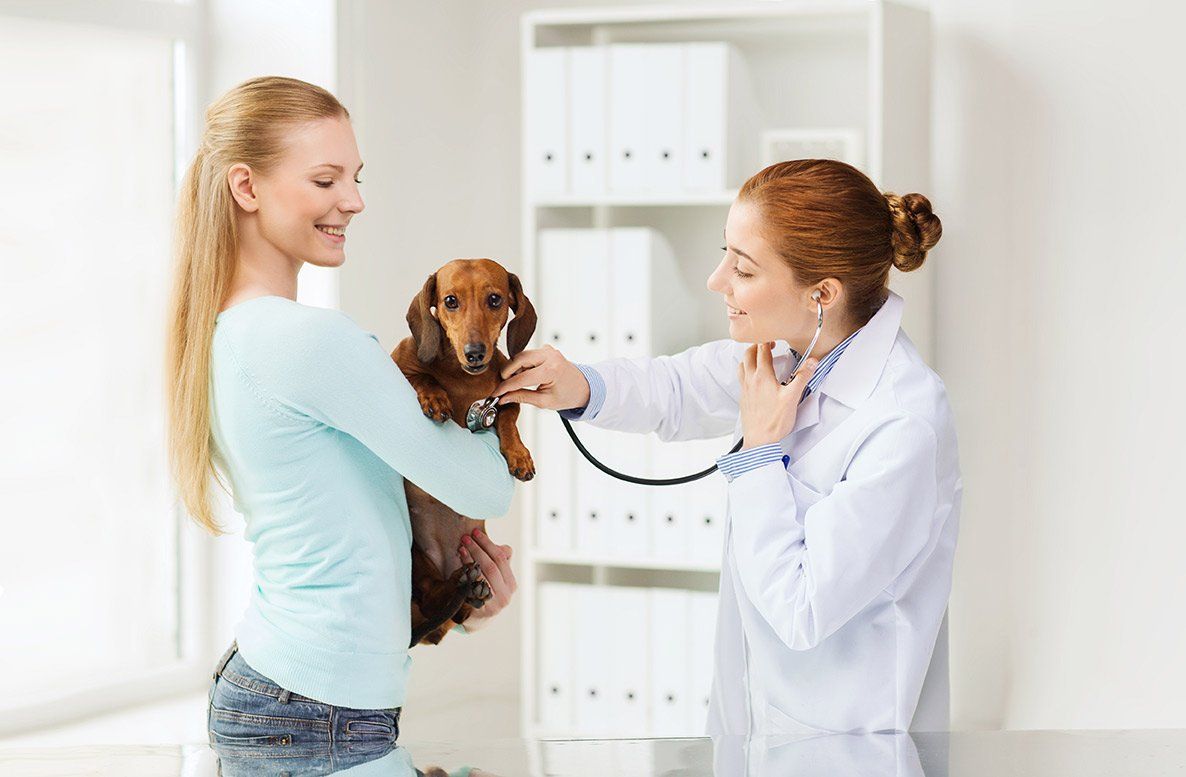
If your pet is scratching excessively, develops irritated skin, or you discover fleas or ticks despite using prevention, it's time to schedule an examination.


Your veterinarian can determine whether parasites are the cause of your pet's discomfort, check for secondary skin infections, recommend effective treatment options, and help you develop a prevention plan that fits your pet's needs.


Early treatment can help prevent more serious health problems and keep your pet comfortable.


Contact Our Vet Clinic to Schedule an Appointment for Your Puppy or Kitten!

Flea and tick season in Texas can last much longer than many pet owners expect, making year-round prevention one of the best investments you can make in your pet's health. With routine wellness care, preventative medications, and prompt treatment when problems arise, you can help your dog or cat stay comfortable no matter the season.


At Briarcrest Veterinary Clinic, our compassionate team is committed to helping pets in Bryan, College Station, TX, and the surrounding communities live healthier, happier lives. Whether your pet needs flea and tick prevention, treatment for itchy skin, or a routine wellness exam, we're here to help every step of the way.


Contact us today to schedule an appointment and learn more about the right flea and tick prevention options for your pet!


June 15, 2026
Bringing a new puppy or kitten home is the beginning of a rewarding journey. Continue reading to learn more about how to settle them into their new family!
May 12, 2026
Continue reading to learn about some of the most common causes of itching in dogs, warning signs to watch for, and the treatment options available to help your pet stay healthy and itch-free.
March 16, 2026
Helping Veterinarians Make Informed Decisions About Your Pet’s Care
February 5, 2026
Supporting your pet’s long-term health involves dental care playing a key role. Continue reading to learn more about the signs your pet may need dental care!
January 5, 2026
Microchipping is quick, safe, and one of the most effective ways to ensure your pet can be reunited with you if they’re ever lost. Continue reading to learn more!
November 12, 2025
Learn to spot the signs of pet allergies, from itching to skin issues. Explore common causes like pollen and food, and discover effective treatments.
October 8, 2025
Get practical tips on preparing your pet for fall and winter. Learn about diet, grooming, exercise, and how to protect them from cold weather hazards.
June 4, 2025
Learn tips to keep your pets calm during fireworks. Call Briarcrest Veterinary Clinic in Bryan, TX, for veterinary care or boarding services. Read more.
May 14, 2025
Learn about the most common toxic flowers and plants that are dangerous for cats and dogs. Protect your pets with guidance from Briarcrest Veterinary Clinic.
April 18, 2023
There are quite a few reasons why veterinary care is so important. Like humans, animals need to have annual visits to see a doctor to keep an eye on their health. Here are a few things that veterinarians will check: Detecting diseases early - Like cancer in humans, dogs can develop cancer or other fatal diseases as well. It’s important to take your pet to a vet to receive proper veterinary care annually to catch any abnormal growths inside or outside of the body. You can also schedule additional visits to the vet if you notice any strange lumps on your pet’s body at any time. Pet vaccinations - Pet vaccinations will help prevent your dog or cat from getting sick. Your pet needs to be updated on all their pet vaccinations before you board them because sicknesses can be transferred from one dog to another. Contact the cat and dog boarding center you plan to use before dropping off your pet to figure out what pet vaccinations are needed to stay at their facility. Check your pet’s skin and paws - Veterinary care also includes checking a dog or cat’s skin and paws to make sure they are healthy and strong. It’s not normal for a cat or dog to have bald patches in their coat, so a vet will check for that and any other abnormal things. Check your pet’s digestive system - Sometimes veterinarians will request you bring in a stool sample from your dog or cat. The stool sample is to check for intestinal parasites like ringworms, which would require anti-fungal treatment in the form of pills or creams.